History of Halloween
From the Celtic festival of Samhain to a modern spectacle of costumes and cinema.
Samhain: The Celtic Origins
Halloween's roots trace back over 2,000 years to the ancient Celtic festival of Samhain (pronounced "sow-in"), a sacred celebration marking the end of the harvest season and the beginning of the "darker half" of the year. For the Celts, Samhain represented a liminal time when the boundaries between the world of the living and the world of the dead became permeable.
According to Encyclopædia Britannica, Samhain was one of the four major festivals in the Celtic calendar, serving as a time for community gathering, bonfires, and spiritual reflection. Archaeological evidence from sites like the Hill of Tara in Ireland suggests these celebrations date back at least two millennia.
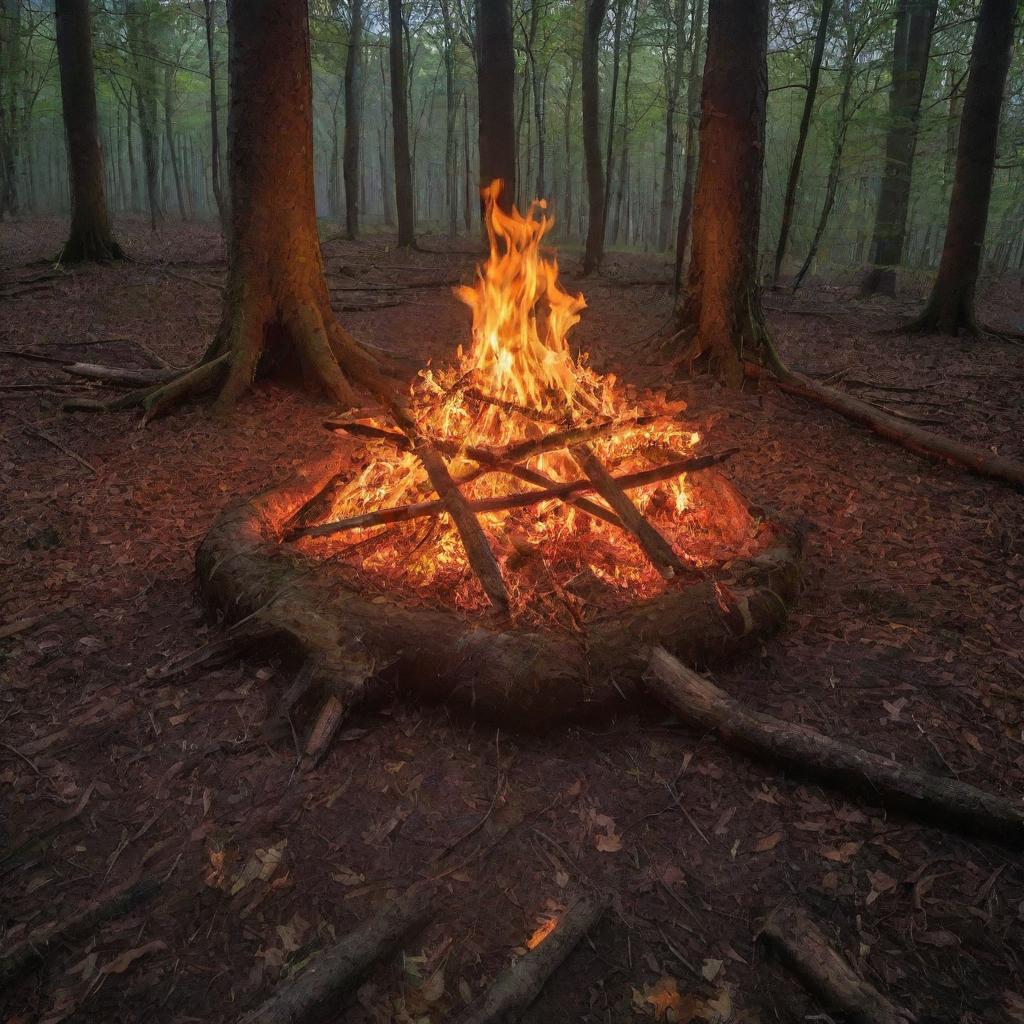
The Celts believed that during Samhain, spirits—both benevolent ancestors and malevolent entities—could cross into the mortal world. To protect themselves, they lit large bonfires to ward off evil spirits and wore costumes made from animal heads and skins to disguise their identities. These practices would later evolve into modern Halloween traditions.
Christian Transformation: From Pagan Festival to Holy Eve
As Christianity spread across Celtic lands, religious leaders sought to incorporate existing traditions rather than eliminate them. In the 8th century, Pope Gregory III designated November 1 as All Saints' Day, a time to honor Christian martyrs and saints. The evening before became known as All Hallows' Eve, eventually shortened to Halloween.
This strategic religious overlay, documented by Catholic Online, demonstrates how the church absorbed pagan customs while infusing them with Christian meaning. The three-day observance known as Allhallowtide—comprising All Hallows' Eve, All Saints' Day, and All Souls' Day—blended Celtic traditions with Christian concepts of remembrance and intercession.
During the Middle Ages, practices like "souling" emerged, where poor people would go door-to-door asking for food in exchange for prayers for the dead. This tradition, along with mumming (dressing in costume and performing for treats), laid the foundation for modern trick-or-treating.
Halloween in America: From Immigrant Tradition to National Holiday
Halloween's transformation into a major American holiday began with the waves of Irish immigrants arriving in the 19th century. Fleeing the Great Famine, these immigrants brought their Halloween traditions with them, including jack-o'-lanterns (originally carved from turnips) and community celebrations.
According to History.com, Halloween evolved from a community-centered celebration into a more commercialized holiday in the early 20th century. The shift from mischief-making to family-friendly activities was largely driven by community leaders who sought to channel youthful energy into positive outlets.
The post-World War II era saw Halloween become a major cultural phenomenon, with costume parties, trick-or-treating, and haunted houses becoming central to the celebration. The rise of mass media, particularly television and films, further popularized Halloween imagery and traditions.
Modern Halloween: Global Phenomenon
Today, Halloween is celebrated in countries around the world, adapted to local cultures while maintaining core traditions. According to the National Retail Federation, Americans spend billions of dollars annually on costumes, decorations, and candy, making Halloween one of the country's largest commercial holidays.
What makes Halloween particularly fascinating is its ability to adapt while retaining its connection to ancient traditions. The jack-o'-lantern, once a Celtic symbol of protection, is now a ubiquitous decoration. Costumes, originally worn to ward off spirits, have become a form of creative self-expression.
As we celebrate Halloween today, we participate in a tradition that connects us to our ancient ancestors while reflecting our contemporary cultural values. It's a holiday that bridges the past and present, the sacred and the secular, and the individual and the community.
Cultural Significance and Psychological Appeal
Halloween's enduring popularity can be attributed to its unique ability to address universal human experiences: the fear of death, the desire for community, and the joy of creative expression. Psychologists suggest that Halloween provides a safe space to confront our fears through costumes and stories, while sociologists note its role in strengthening community bonds.
According to American Psychological Association research, the act of dressing up allows individuals to explore different aspects of their identity in a socially acceptable context. This therapeutic aspect of Halloween helps explain its cross-cultural appeal.